
Main Differences between a Centrifugal Fan and an Axial Fan
2022-06-27
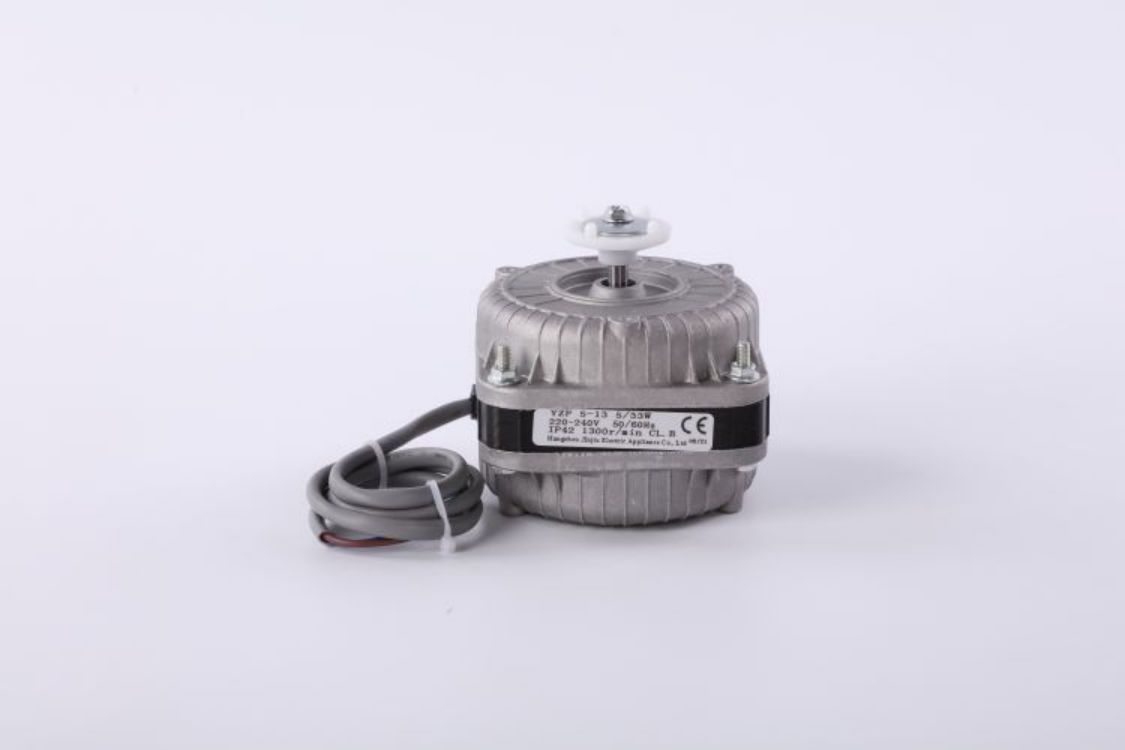
For those of us who need to be reminded of the differences between the various types of industrial fans, and their application, there is useful technical information section of the Air Control Industries website that will help.
The most common fan types are as follows:
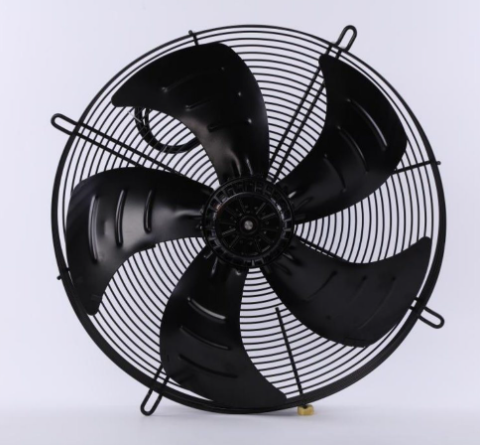
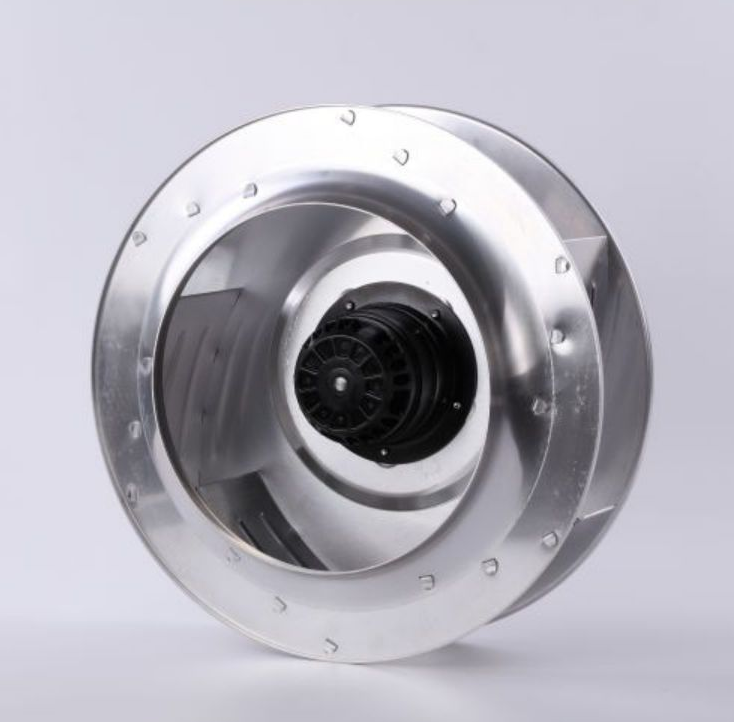
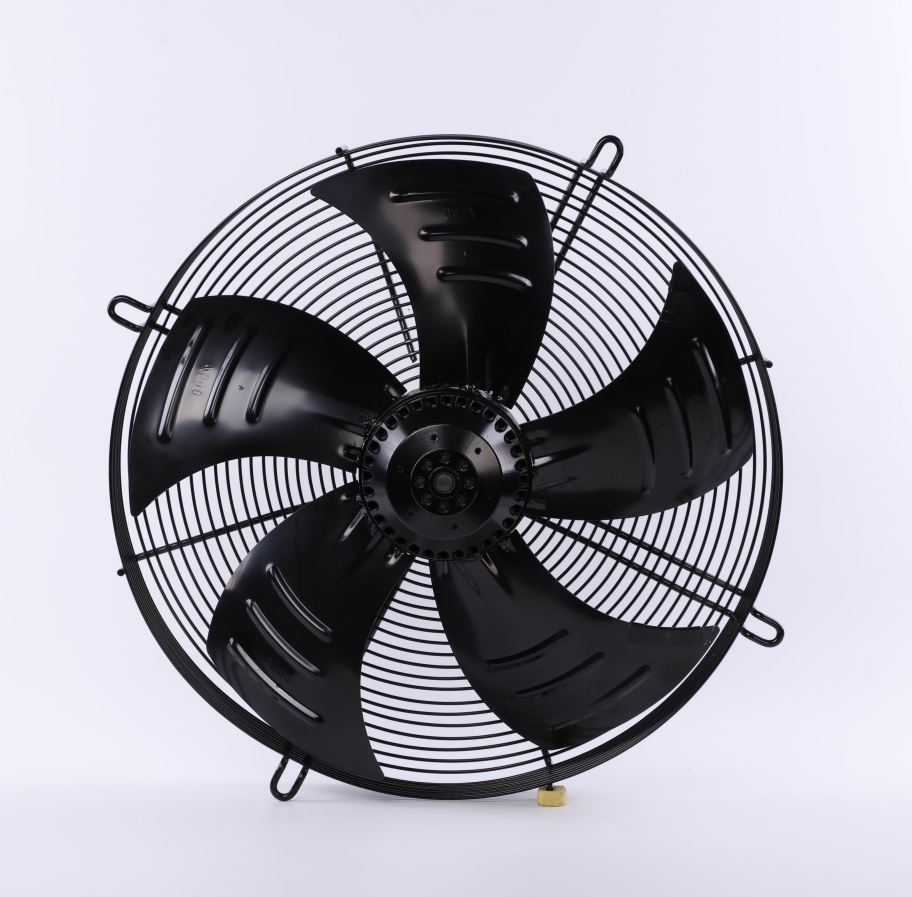
Axial Flow Fans: this type has various blade shapes including Aerofoil, Sickle, Paddle, and Variable pitch. Axial fans are used for relatively high flow rates and low pressures with flow parallel to the axis of fan. They also have low power input.They are generally selected for simple extraction or cooling applications with very low system resistance, such as moving air from one large space to another (i.e. from factory to outside), desk fans and condenser cooling in refrigeration. Tangential Fans: these barrel-shaped fans have curved forward blades that are generally many times longer than any given diameter. Tangential fans tend to scoop the air up and deliver it at relatively low pressure over a long length, ideal for cabinet cooling or process air coverage. Power required is relatively low.The main advantage of Tangential over axial fans is that they provide extremely smooth, laminar airflow over the whole frame width. This makes them suitable for applications such as air conditioning systems, air curtains, computer systems, instrument racks, convector fans, ovens, de-humidifiers and ventilators. Centrifugal Fans: typical impeller blade construction types includes Paddle, Radial, Backward curved and Forward curved. Characteristics are low flow rates and high pressures with flow perpendicular to blower axis. Air enters around centre of the fan and exits around the outside.Centrifugal fans with Paddle impellers are used when debris will pass through the system because this configuration prevents any clogging. Fans with backward curved blades produce less air volume than Axial units, but generate considerably more pressure and are the least hungry for power in the centrifugal range. They can also be produced as Multistage units to give even higher pressures.By comparison, the Centrifugal fans with Forward curved blades develop the best airflow and pressure requirement in size by size comparison, although they will require extra motor power.Typical applications for Centrifugal fans include air handling units, process heating and cooling, electronic cooling and boiler combustion air. Mixed Flow Fans: These combine the features of Axial and Centrifugal Fans by employing the air movement techniques of both. Air enters the inlet side of the fans and exhausts in an axial route from the outlet side. The pressure development of the mixed flow fan is greater that an Axial fan and is more akin to the Centrifugal fan. What is the difference between synchronous motor and asynchronous motor using variable frequency speed regulation?
 Introduction of the material of the axial fan oil pipe
 Study the flow at the top gap of the axial fan impeller
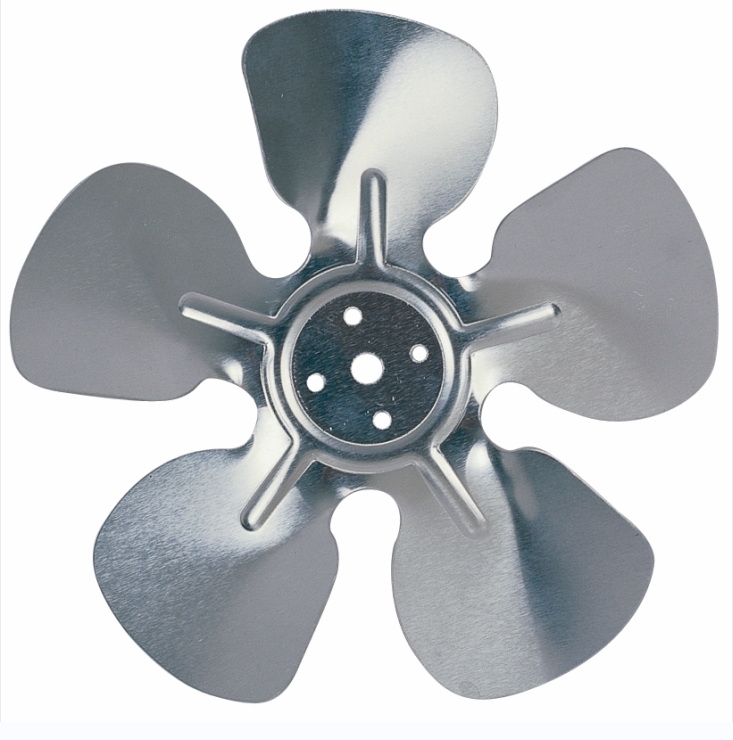 Completed the 3D PDA measurement of the apex flow field of the axial fan impeller
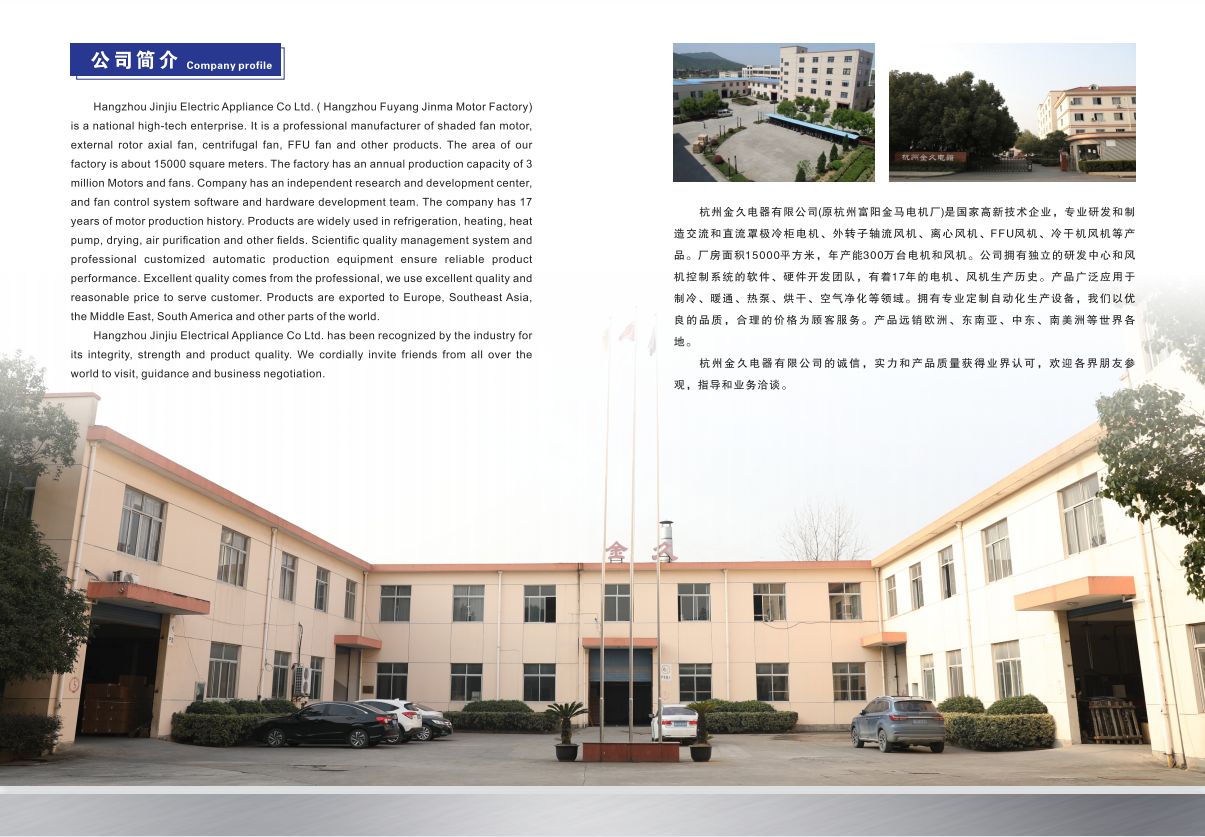 About Jinjiu
 Jinjiu participated in the fan motor exhibition
 Where is the road to the motor industry? High-speed direct drive motors are still the mainstream
 AC motor vs DC motor
 Welcome to all new and old customers!
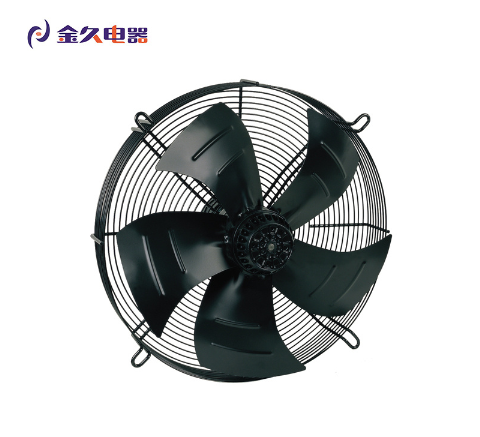 What are the requirements and specifications for starting the axial fan?
- Axial fan
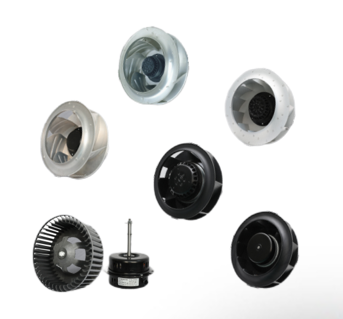 Is the axial fan a centrifugal device?
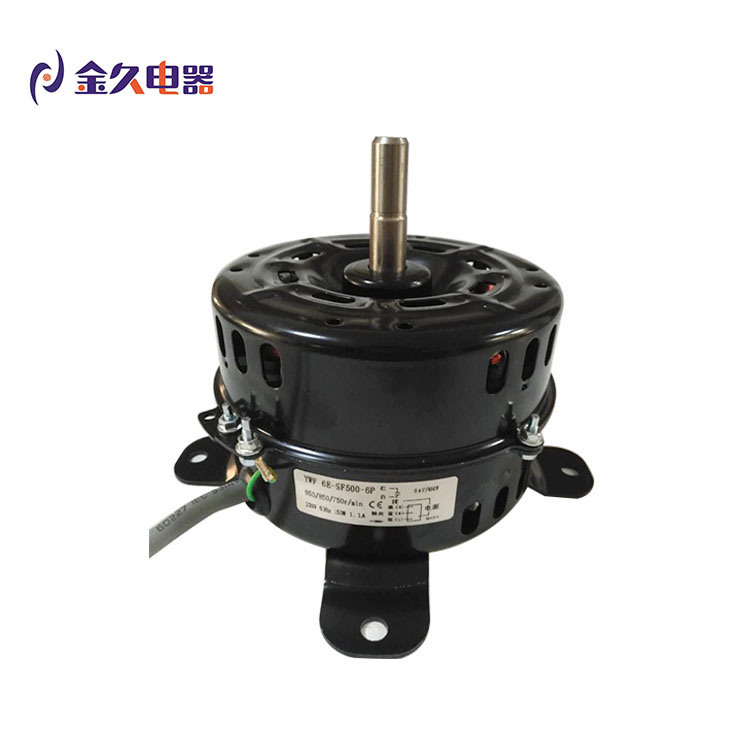 Analysis and Solution of Large Axial Fan Pump Switching Low Oil Pressure
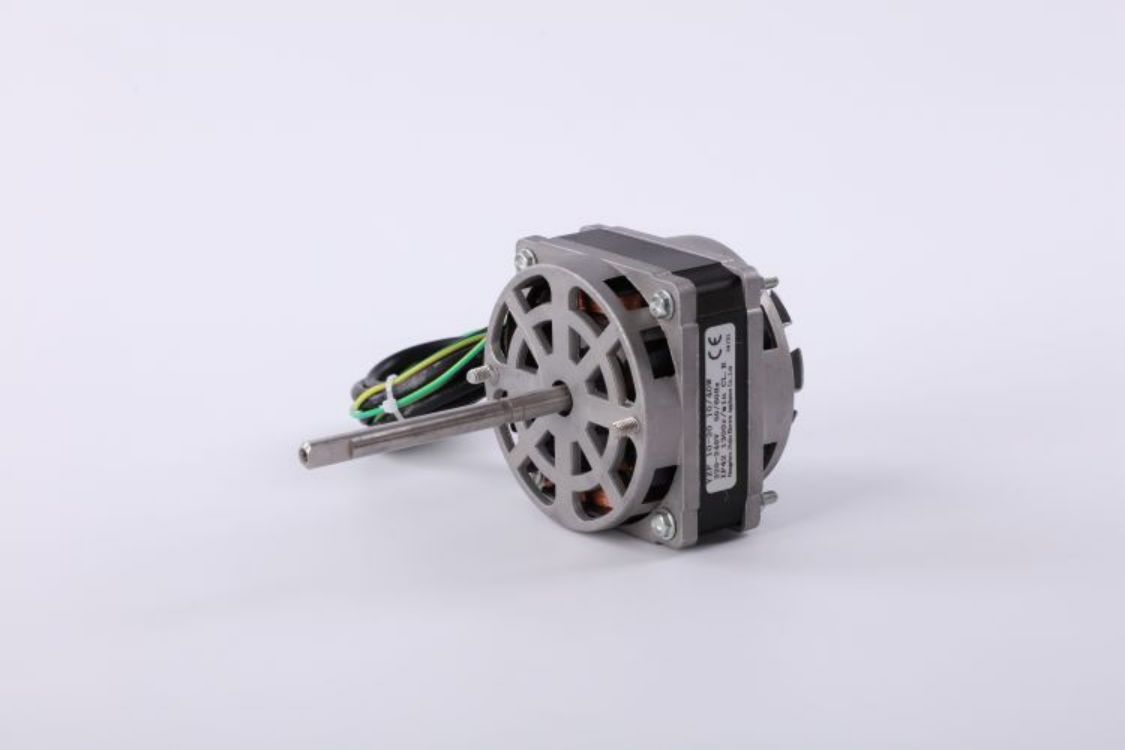 Axial Fan Installed Axial Fan Assembly
- Classification of motors
- National policy on electric motors
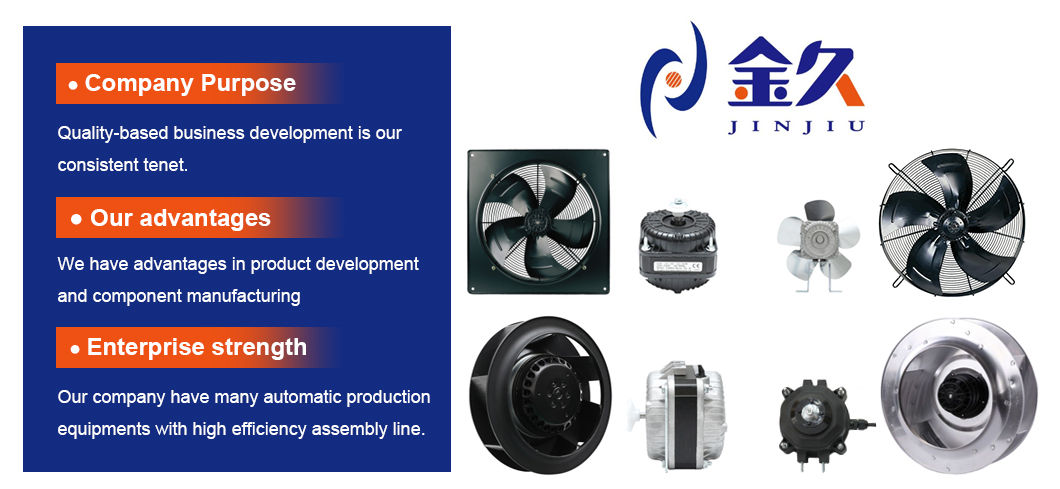 Axial fan device